
The Overlooked Struggle of Pakistan’s Rural and Regional Press
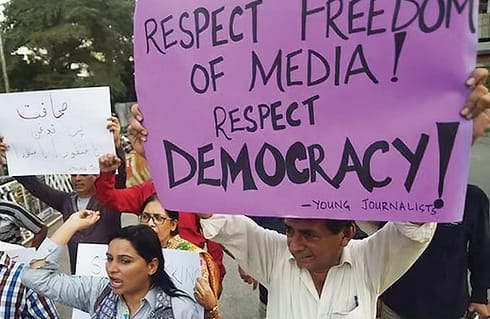
This article was submitted by the By Rural Media Network Pakistan, an independent body set up to support the struggle of the many journalists in Pakistan, away from the big cities, who day to day come under harassment from many sides. Pakistan, a country of more than 250 million people, has one of South Asia’s […]
The shrinking space for independent journalism in Pakistan
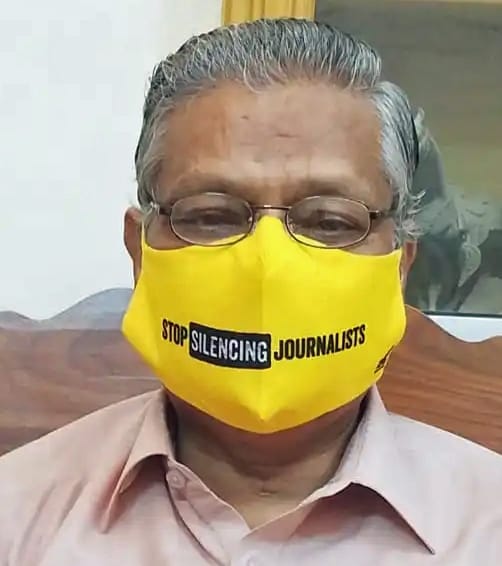
4/5/26 As the global community marked World Press Freedom Day, Pakistan’s media landscape stood at a critical juncture, writes EHSAN AHMED SEHAR, pictured. The challenges confronting journalism today extend beyond traditional concerns of press freedom, encompassing a broader transformation driven by economic pressures, technological shifts, and evolving media consumption patterns. At the core of this situation […]
How can Parliaments ensure that media freedoms are upheld?
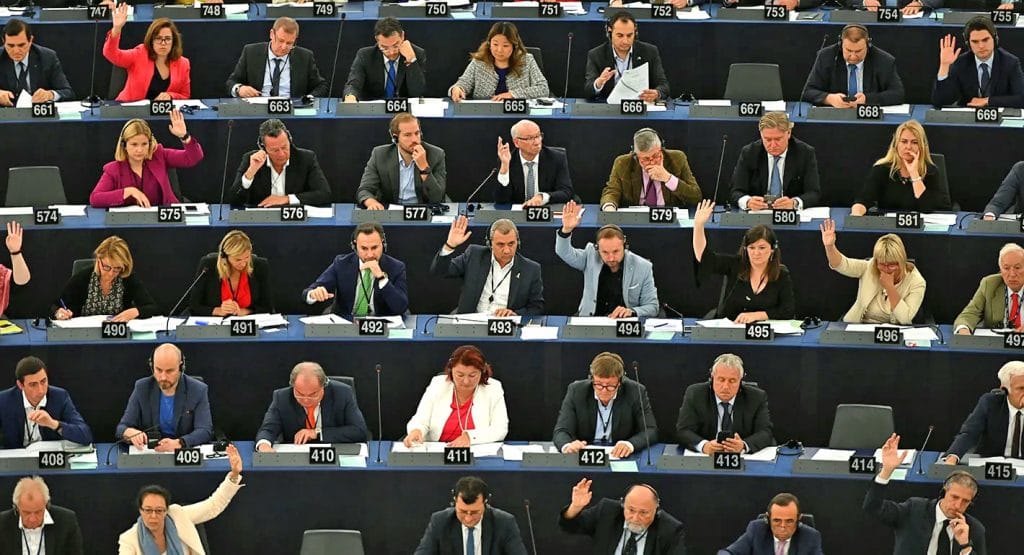
By WILLIAM HORSLEY, CJA Executive Committee member and Senior Research Fellow at the Institute of Commonwealth Studies. 1/5/26 Ensuring that Parliaments uphold the principles of media freedom and expression help to promote good governance in the Commonwealth. It is vital that Parliamentarians take a stand. This blog explores recent developments and the role that MPs […]
Ugandan election marked a dark chapter for media rights
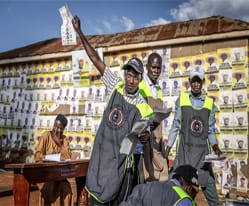
16/3/26 The presidential election in Uganda in January took place in a climate of total internet blackout, defying the global order of digitalized media space, writes ALICE DRITO. There was a heavy military presence, excessive use of force by the police andsecurity operatives against journalists and arrests of human rightsdefenders, political opposition leaders and their […]
Fond memories in India of Mark Tully
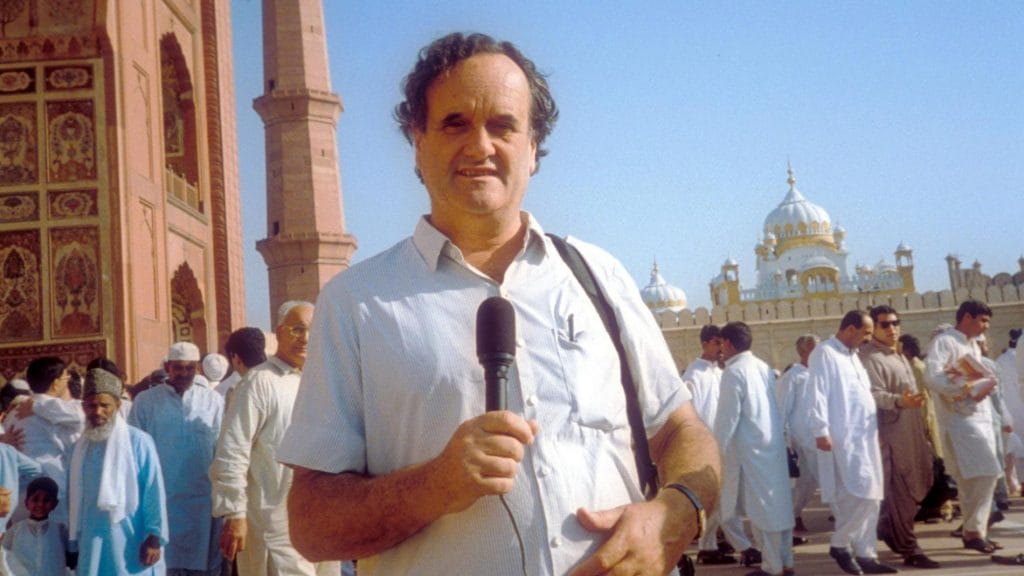
By former CJA President Mahendra Ved 26/1/26 The renowned BBC journalist Mark Tully spent decades reporting on India, and has died in Delhi. “Hello Mark” was how everyone greeted him wherever he went across South Asia. They included at least two prime ministers whom I had noticed way back in 1974, Zulfiqar Ali Bhutto of […]
The Commonwealth and the art of how not to do it: Why are the approved Commonwealth Media Principles going nowhere?

By WILLIAM HORSLEY, executive member of the Commonwealth Journalists’ Association and a member of the team behind ‘Who Controls the Narrative: Legal restrictions on Freedom of Expression in the Commonwealth’. 10/10/25 In Charles Dickens’ novel Little Dorrit, the Circumlocution Office is a fictional government department which embodies the principle of How Not To Do It. Dickens’ satire […]
How elections helped shape the political landscape in south Asia

By CJA Executive Committee member SYED BADRUL AHSAN 3/2/26 For my generation, politics has been a staple of conversation down the years. Elections have been an integral part of those conversations for the good reason that in our boyhood and youth it was always a struggle we experienced in defence of democracy in our part […]
Khaleda Zia, a leader in turbulent times for Bangladesh

By CJA Executive Committee member RAYMOND WHITAKER 13/1/26 Khaleda Zia, pictured, who has died aged 80 – although her age was disputed – was the first female prime minister of Bangladesh, and was credited with an increase in female education and empowerment during her two terms in office, in the 1990s and early 2000s. The […]
Media freedom report spells out the deepening struggle in Pakistan

By EHSAN AHMED SEHAR 22/8/25 Pakistan has long been recognised as one of the most challenging countries in the world for journalists. Since the year 2000, 168 journalists have lost their lives while performing their professional duties, most of them coming from rural areas and small towns. Despite their sacrifices, Pakistan’s media landscape continues to […]
What happened to the rule of law in Bangladesh?

By SYED BADRUL AHSAN 6/10/25 The death of Nurul Majid Mahmud Humayun, pictured, raises the issue of the degree to which the rule of law, indeed the machinery of justice has fallen silent in Bangladesh. Humayun, minister for industries in the Awami League government till the cataclysmic developments of August last year, had been in […]