
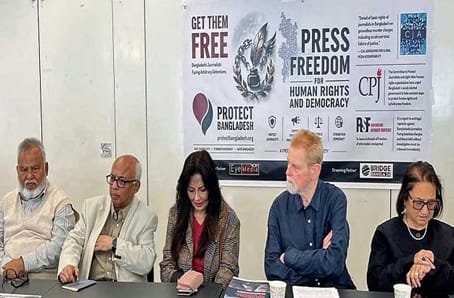
Pictured, speakers at the London solidarity meeting in support of the detained journalists.
25/5/26
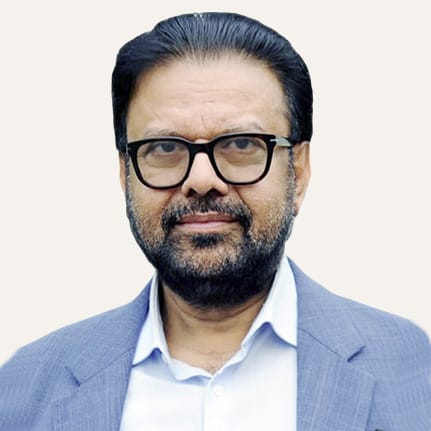
Sushama Shashi, daughter of the detained Bangladeshi journalist Shyamal Dutta, has spoken out about her fears for her father’s health, 20 months after he was first arrested.
“My father’s health has significantly deteriorated,” she has told the CJA in a message from a temporary home in Australia.
“He continues to suffer from ongoing cardiology issues, including two heart blockages, the current status of which remains unknown to us. The prison itself does not have the medical facilities required to properly assess or monitor these conditions. Despite this, the courts have neither granted him bail on medical grounds nor approved his transfer to an external hospital for necessary medical treatment,” she said.
“In addition to his physical health, I am concerned about his mental wellbeing. During my mother’s recent prison visits over the past two months, she reported that my father does not seem to be mentally well. She feels that he is only putting on a happy face in front of us so that we do not panic, but the prolonged detention, uncertainty, and lack of proper medical care appear to be taking a serious toll on him. Needless to say, the prison does not have facilities for mental wellbeing.”
“I fear that, rather than seeing justice, my father may now face an even greater mountain of murder charges and other fabricated allegations.
“The biggest concern now is that certain journalists who should have been freed have instead been threatened with extremely serious fresh charges under the International Crimes Tribunal which relate to ‘crimes against humanity’.”
The Tribunal is a domestic war crimes court originally established in 2009 to prosecute individuals responsible for genocide and crimes against humanity committed during the 1971 Liberation War in Bangladesh.
Several other journalists are in detention in Bangladesh and many more are facing charges, which media rights campaigners say are complete baseless.
Ms Shashi’s message came as journalists and civil rights activists held a solidarity meeting in London to call for the release of the detained journalists.
” … an illegal regime which systematically destroyed structures and symbols which held the country together.”
Speakers condemned suppression of the media and the broader violations of civil and human rights under the interim government led by Muhammad Yunus. They expressed solidarity with journalists in Bangladesh who are being detained or threatened, and called on the government to immediately release all journalists held under fabricated allegations designed to criminalise truth-telling.
They said those arrested in the aftermath of the 2024 unrest were targeted on politically-motivated accusations, and that the continued detention breached the democratic promises made before February 2025 election.
- Statement from CJA to Bangladesh Nationalist Party and Commonwealth News Media
- Outrage amid the grief as another journalist is killed in Bangladesh
- After a long career at the heart of Bangladeshi journalism, I condemn the new reality: A licence to terrorise the Press
William Horsley, press freedom advocate and CJA executive committee member, stressed that a free media was essential for democracy to thrive.
“It is completely unacceptable that prominent and respected Bangladeshi journalists including Shyamal Dutta, Mozammel Haque Babu, Farzana Rupa and Shakil Ahmed are still being detained and their fundamental rights are being denied 18 months after their arrests on spurious and groundless charges following the bloody events of 2024,” he said.
“Until they are released and the charges against them are dropped the government will stand accused of holding press freedom hostage and of breaching the promises it made in order to win last February’s elections.”
Syed Badrul Ahsan, another CJA member and prominent journalist, stated that following the 2024 unrest, Bangladesh was run by an “illegal regime which systematically destroyed structures and symbols which held the country together.” He sharply criticised the current leadership of journalist organisations in Bangladesh for remaining silent in the face of intimidation.
Rita Payne, also of the CJA, criticised Professor Muhammad Yunus for failing to protect journalists and press freedom despite being a Nobel Peace Prize laureate.
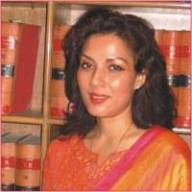
Barrister Tania Ameer gave a detailed examination of media legislation, legal interpretation, institutional structures, and the broader socio‑political conditions shaping journalistic practice in Bangladesh. She said detention of journalists was part of a systematic campaign to silence opposition, free thinkers, and independent journalism, shielding those in power from scrutiny.
Nahas Pasha, Editor of the UK’s oldest Bengali newspaper Janomot, called for the unconditional and immediate release of all journalists detained without formal charges and on fabricated allegations.
Joining virtually from New York, Farida Yasmin, former President of the National Press Club of Bangladesh, described how the interim government persecuted journalists by stripping them of professional media accreditation, freezing bank accounts, and subjecting them to physical and psychological abuse.
The programme was organised by Protect Bangladesh, a UK-based advocacy platform, in association with London-based television channels EyeMedia and Bridge Bangla.
