
1/3/26
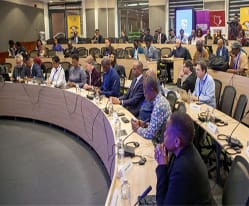
Media leaders from across Africa met in Nairobi for the Africa Editors Congress, pictured, a high-level gathering organised by The African Editors Forum, aimed at confronting the mounting political, economic and technological pressures facing journalism across the continent.
It brought together senior editors, media executives, journalism educators, academics, policymakers and global stakeholders for two days of strategic reflection and action.
At a time when newsrooms across Africa are navigating shrinking revenues, digital disruption and growing threats to press freedom, the Congress provided a platform for candid, evidence-based discussions grounded in newsroom realities and market pressures.
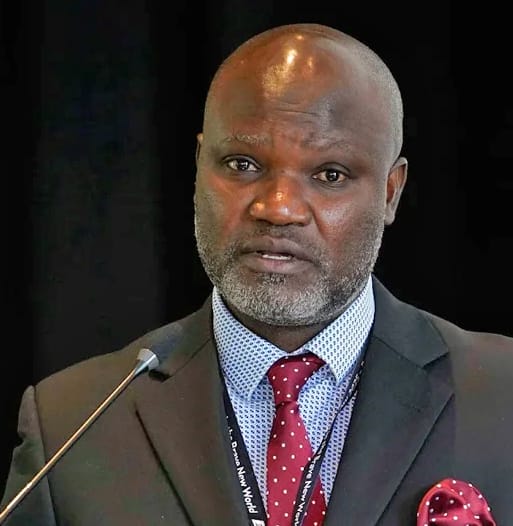
Forum President Churchill Otieno said media freedom was the foundation for a just society. “It is the foundation that allows journalists and news organisations to report without fear or favour, to investigate power, to inform citizens and to make our societies more just and accountable,” he noted, adding that many editors still face censorship, regulatory overreach, and personal risk.
Louise Haxthausen, UNESCO Regional Director for Eastern Africa, presented key findings from 2022-2025 global report, “World Trends on Freedom of Expression and Media Development: Journalism Shaping a World at Peace”. She highlighted a severe decline in freedom of expression, with the global score falling by 10 percent between 2012 and 2024. Across Africa, the decline reached 4.12 percent over the same period, driven in large part by a nearly 35 percent surge in media self-censorship.
“The combination of rising government pressure on media outlets, including increased control of dissenting narratives, the adoption of restrictive laws, and growing fear among journalists, has resulted in heightened self-censorship and reduced public access to independent and pluralistic information,” she said.
Changing the media landscape
Delegates discussed the shifting balance of power in global information ecosystems, examined the sustainability of independent journalism, and explored Africa’s agency within rapidly expanding technological frameworks, particularly in artificial intelligence value chains.
A key area of focus was the urgent need to strengthen information integrity and secure fair value extraction from Africa’s rare minerals and extractive resources that power global technologies. Delegates underscored the importance of ensuring that Africa was not merely a supplier of raw materials but a strategic player in shaping the future of digital economies.
The Congress theme drew inspiration from shared global priorities articulated in the Johannesburg Declaration, including calls to reinforce media sustainability and defend information integrity against the dominance of global platforms.
For senior editors and newsroom executives, the Congress offered peer-to-peer engagement on issues central to editorial direction, risk management and strategic investment decisions in a rapidly shifting media environment.
A continental voice for independent journalism
The conversations reflected a shared understanding that journalism in Africa must adapt without compromising its core values of independence, public interest and accountability.
As a partner in the forum, the Kenya Editors Guild reaffirmed its commitment to strengthening professional standards, defending press freedom and promoting editorial innovation within Kenya and across the continent. The Guild’s participation highlights its ongoing role in continental dialogue on journalism’s contribution to democracy, development and African agency in global discourse.
The African Editors Forum serves as a network of editors and media leaders committed to advancing independent journalism and media sustainability in Africa. Through platforms such as the Africa Editors Congress, it fosters collaboration, strategic partnerships and collective responses to threats facing journalists and media organisations.
The Guild said the Nairobi Congress demonstrated the power of regional solidarity. It reinforced the need for African editors to speak with a collective voice on matters affecting democratic health, newsroom resilience and equitable participation in global technological transformation. As media ecosystems continued to evolve, partnerships such as those between the Editors Forum, the Kenya Editors Guild and other regional and international stakeholders remained essential in safeguarding journalism as a public good.
